
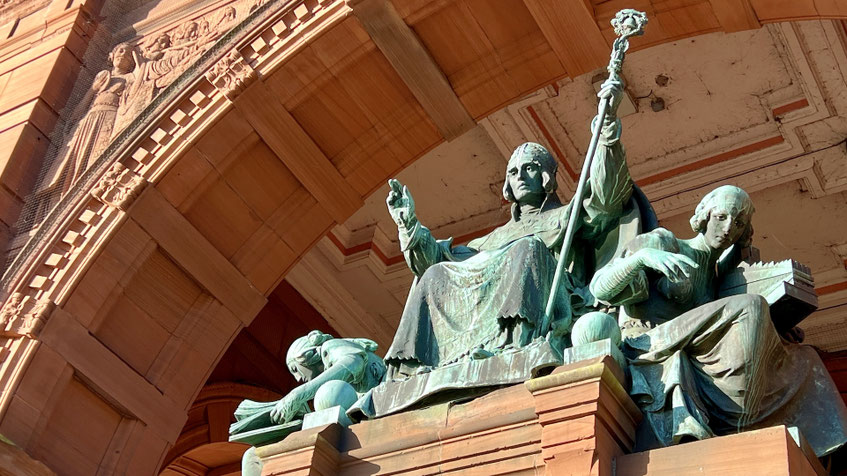
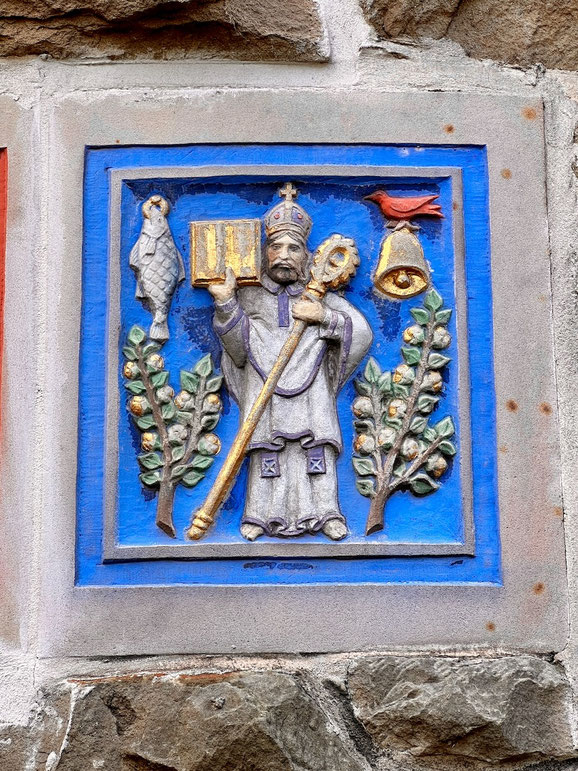
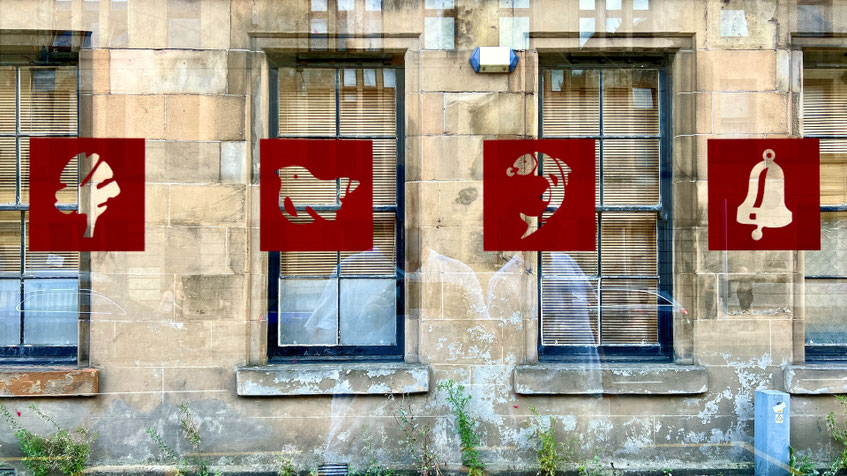
If you spend any time wandering Glasgow, you start noticing the same strange collection of symbols appearing everywhere—a bird, a tree, a fish, a bell, and the saint himself. They show up on plaques, buildings, souvenirs, and civic emblems across the city.
All of them trace back to the peculiar life of one man.
Glasgow’s back story is a bit more telenovela than sober history, really. So let’s delve a bit deeper into the life and times of Glasgow’s patron saint, Mungo, and how he—a mere mortal—became the centerpiece of a city’s lore, psyche, and coats of arms.
Mungo (or Kentigern, if we’re sticking with formal names) was born under shady circumstances that might not even fly on Days of Our Lives. His mom, Saint Teneu (or Her Brittonic Princess of the Ancient Kingdom of Gododdin and Mother of Saint Mungo, Apostle to the Britons of Strathclyde and Founder of the City of Glas Ghu, if we’re sticking with formal names) was Scotland’s first reported rape victim and unmarried mother.
Turns out that Medieval Times were not exactly a shining beacon of enlightenment1—especially when it came to logic, parenting, and, well, empathy. So Saint Teneu gets assaulted, and her dad, instead of offering a shoulder to cry on or maybe running out to seek justice, goes full medieval dad and throws her off a cliff.
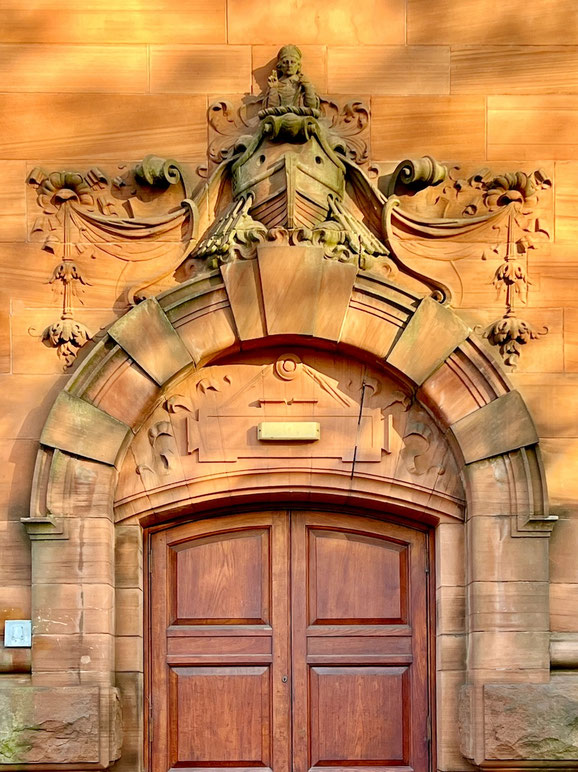
Saint Teneu showed him, though, by surviving the fall. At the bottom of the cliff she climbed into an abandoned little boat and drifted across the Firth of Forth2 to Culross in Fife, where she was taken in at the monastery by Saint Serf3 and gave birth to young Mungo.4 I imagine most of the bedtime stories he heard had a lot of super-dicky grandpas in them.
As it turns out, our little Mungo was a great little future saint. Saint Serf doted on him, which did not play well with all the other little hoodlums being minded by the monks. And that brings us to the three miracles that made Mungo who he is today—the ones that later turned into those symbols you still see all over Glasgow: a bird, a tree, and a fish.
The bird was a robin tamed and kept as a pet by Saint Serf. One day during their roughhousing, the boys accidentally killed Robin. Naturally their first thought was, “Let’s blame Mungo! He’s such a little goody two shoes.” But Mungo, already a paragon of chill, just prayed over Robin and—bam!—zombie bird! Miracle #1.
The little hoodlums were gravely vexed.
Sometime later Mungo was tasked with keeping the fire burning overnight,5 but he fell asleep. The boys put it out and went sniggering back to their beds, sure he’d catch holy hell in the morning. But Mungo woke up, broke off some frozen branches from a hazel tree, and caused them to burst into flames by praying over them. Miracle #2.
By now Mungo could see the writing on the wall, so he set off wandering the countryside to get away from all the Heathers at the monastery. He ended up in Stirling hanging out with another holy man, Fergus.6 Fergus died, and not knowing exactly where to bury him, Mungo loaded the body into an ox cart and let the oxen wander wherever the whim took them. They didn’t stop until they reached the spot where Glasgow is today.
You know, as one does.
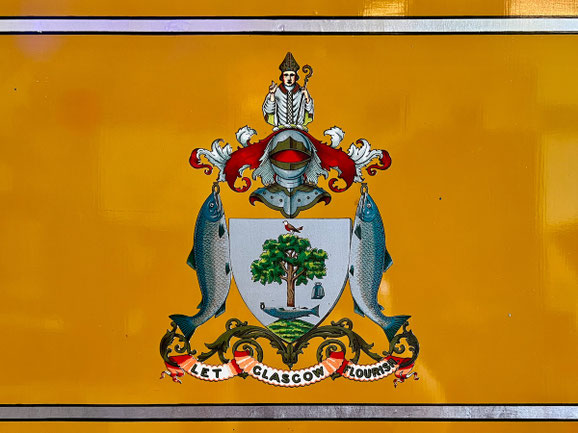
By this point Mungo was something of a rock star in the early Scottish church, so he stayed and established a religious community there. He called it Glas Ghu, or “dear green place,” and even coined a motto that stuck—Let Glasgow Flourish.
It was here that Mungo met Queen Languoreth, wife of Hydderch Hael, the King of Cadzow. At some point Languoreth had given her wedding ring to one of her husband’s knights. Why? It seems an odd souvenir for any hanky panky, but whatever. Hydderch caught wind of it.
So one night during a hunting party, Crafty Ol’ Hyddie lifted the ring while the knight was asleep and threw it into the Clyde River.
When he got home, he demanded to see Languoreth’s ring and threatened her with death if she couldn’t produce it, knowing full well that she couldn’t. Clever bastard.
A weepy Languoreth ran to the knight, who was in no position to help. He confessed to Saint Mungo instead, who sent one of his monks down to the river to bring back the first fish he could catch.
The ring was in the fish’s mouth.
Miracle #3.
Though honestly, why any of the players in that little intrigue wanted to stay together is beyond me. They all seem a little untrustworthy.

And that’s where Glasgow’s coat of arms comes from—the bird, the tree, the fish, and Saint Mungo himself. Well, and there was also a bell. But the bell doesn’t really fit the miracle storyline. It’s just some random bell Mungo supposedly brought back from Rome. It’s basically a souvenir.
Maybe the pope gave it to him. Or maybe he picked it up at a tchotchke shop on the Via del Mascherino. Who can say? But the Glaswegians LOVE it.
So everywhere you look these five things are plastered on everything—the bird, the bell, the tree,7 the fish, and Good Ol’ Saint Mungo. They even have a little verse about it:
Here is the bird that never flew
Here is the tree that never grew
Here is the bell that never rang
Here is the fish that never swam
What’s the deal with the never flew, never grew, never rang, and never swam, you ask?
No one knows.
It makes about as much sense as the Monty Python Dead Parrot sketch.
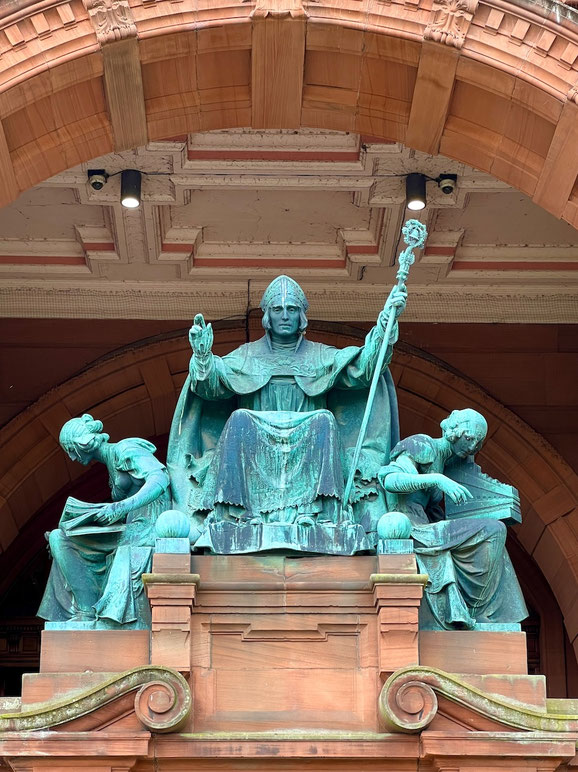
So Glasgow’s creation story is a mishmash of questionable miracles, a primer on how not to treat women, and some truly baffling poetry—all courtesy of a man who managed to turn a peculiar personal history into a city’s lasting civic identity.
So raise a glass to Saint Mungo—the man, the myth, the…branding genius? Cheers.
Write a comment